Compare Local Contractors for Residential Air Testing Services
Compare local contractors for residential air testing to clarify scope, verify experience, and set clear expectations for a successful project.
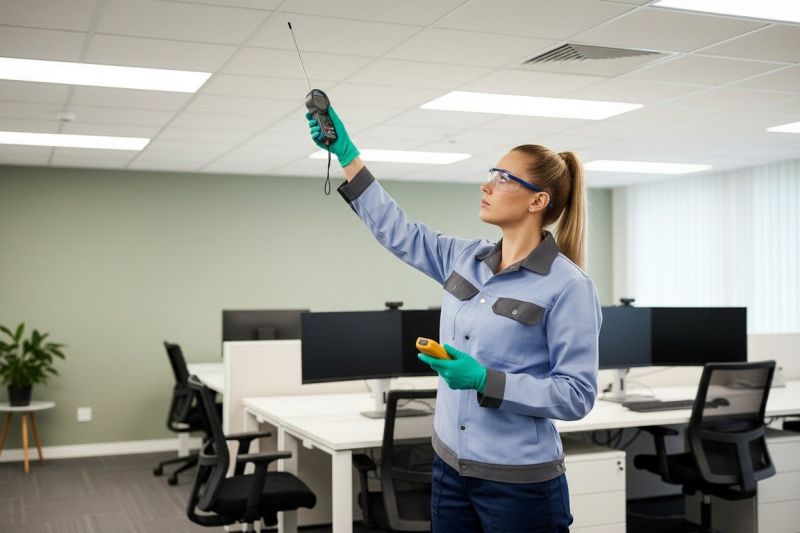
Residential air testing services typically involve evaluating indoor air quality and identifying potential sources of pollutants within a home. This work can include testing for radon, mold spores, volatile organic compounds (VOCs), and other airborne contaminants that may affect health and comfort. Contractors often use specialized equipment to collect air samples and interpret results, providing property owners with insights into indoor environmental conditions. Understanding the scope of these services helps homeowners determine whether testing is needed for health concerns, building inspections, or compliance with local regulations.
Defining the scope of work is a crucial step when working with contractors for residential air testing. Clear communication about what areas will be tested, which contaminants are of concern, and what the testing process involves helps set realistic expectations. A well-defined scope also ensures that both property owners and service providers are aligned on the objectives, reducing misunderstandings and ensuring that the testing covers all relevant aspects. Property owners should verify that the contractor’s experience aligns with the specific testing needs and that the scope of work is documented in writing for clarity and accountability.
Comparing local contractors involves researching their backgrounds, experience, and the services they offer. Property owners can seek recommendations, review credentials, and ask about the types of testing methods used to gauge expertise. It’s also helpful to inquire about how contractors communicate their findings and whether they provide comprehensive reports. By assessing these factors, homeowners can make informed decisions about which service providers are best suited to handle their residential air testing needs, ensuring the work is performed thoroughly and accurately by qualified local contractors.
Compare local contractors by outlining your priorities, verifying experience, and setting clear expectations in writing.
- Compare Contractor Credentials - Review the experience and qualifications of local contractors to ensure they meet your project needs.
- Define Scope Clearly - Establish a detailed description of the air testing services required to set clear expectations.
- Verify Experience - Confirm that service providers have relevant experience in residential air testing to ensure quality work.
- Document Agreements in Writing - Keep all scope details and expectations documented to facilitate smooth project execution.

Before comparing local contractors for residential air testing, clearly describe your project scope to ensure accurate evaluations.
- Verify experience in residential air testing to ensure contractors understand standard procedures and building requirements. - Look for service providers who clearly define the scope of testing and related services in writing.
- Compare qualifications and background of local contractors to assess their familiarity with residential air quality standards. - Ensure they can provide detailed explanations of testing methods and expected outcomes.
- Check that contractors use appropriate testing equipment and follow industry best practices during assessments. - Confirm that they adhere to relevant guidelines for accuracy and reliability.
- Review written estimates or proposals that outline the testing process, deliverables, and responsibilities of each party. - Clear documentation helps set expectations and avoid misunderstandings.
- Assess the ability of service providers to identify potential sources of air quality issues during testing. - They should be able to explain how findings may impact indoor air quality and next steps.
- Ensure that contractors can provide comprehensive reports detailing test results and recommended actions in writing. - Proper documentation supports informed decision-making and future reference.
Compare local contractors’ experience and clarify scope to ensure effective residential air testing.
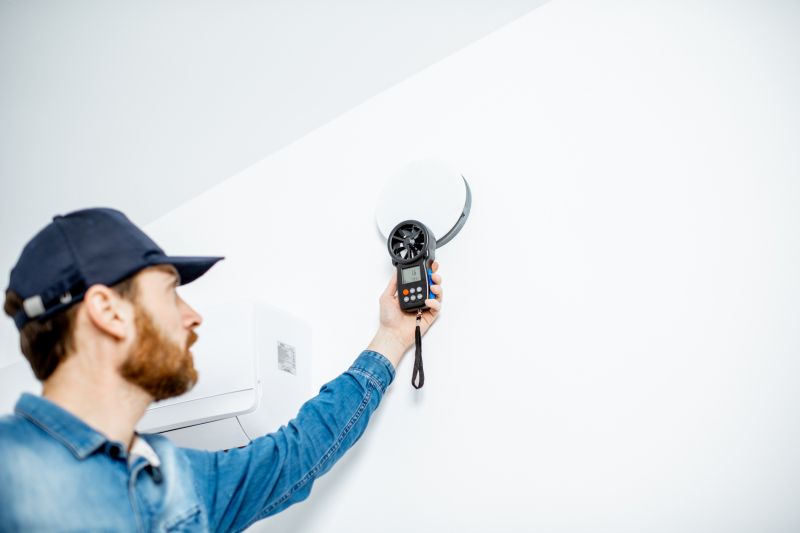
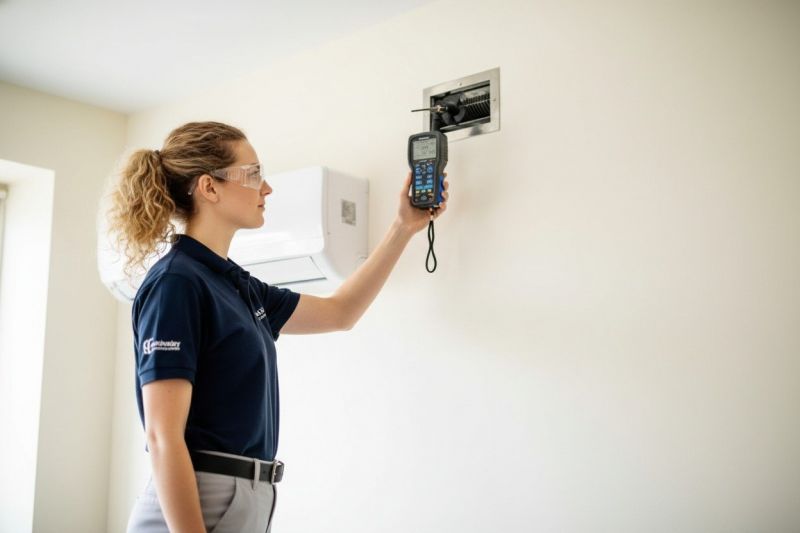
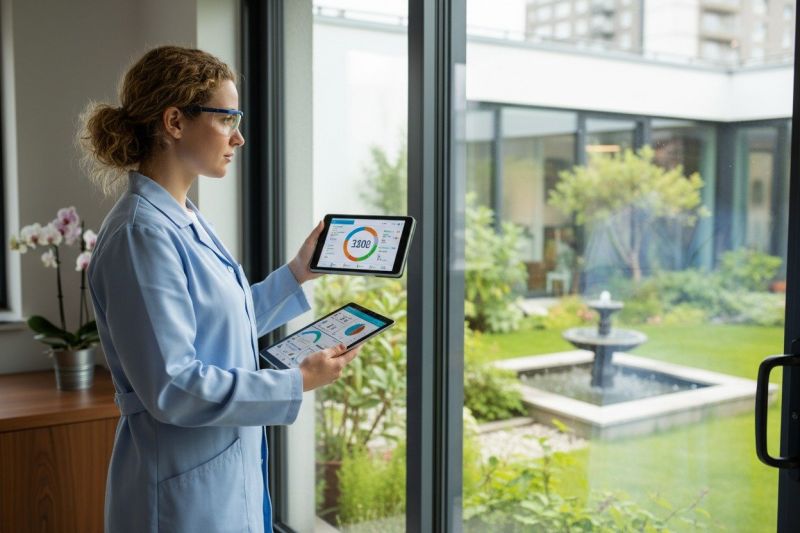
Use clear, consistent scope definitions and verify contractor experience to ensure accurate comparisons and expectations.
- Scope Definition - Clearly outline the specific testing procedures and areas to be tested within the residential property.
- Experience Verification - Confirm the background and experience of service providers in performing residential air testing.
- Methodology Clarification - Specify the testing methods and equipment that will be used to ensure accurate results.
- Documentation Expectations - Determine what reports or records will be provided to verify testing outcomes and results.
- Scope Adjustment - Establish procedures for modifying the testing scope if issues or additional areas are identified during the process.
When evaluating contractors for residential air testing, it is important to consider their experience with similar projects. Homeowners should seek service providers who have a proven track record in conducting air quality assessments within residential settings comparable to their own. A contractor’s familiarity with different home layouts, ventilation systems, and common issues can help ensure that the testing is thorough and accurate. Asking about previous work in similar environments can provide insight into their expertise and ability to handle the specific challenges of a given home.
A clear, written scope of work is essential when comparing service providers. The scope should outline exactly what tests will be performed, what areas will be examined, and what the homeowner can expect from the process. Having a detailed description of the services helps prevent misunderstandings and ensures that all parties are aligned on the expectations. Service providers who can articulate a comprehensive scope in writing demonstrate professionalism and a commitment to transparency, making it easier to evaluate their approach objectively.
Understanding the basics of verification is key to assessing the reliability of residential air testing. Contractors should be familiar with standard verification methods, such as calibration of testing equipment, proper sampling techniques, and the use of control measures to ensure accuracy. Homeowners can inquire about the procedures used to verify test results and confirm that the testing methods follow accepted practices. Reliable verification practices help provide confidence that the test results accurately reflect the indoor air quality and any potential issues.
When comparing options, homeowners should focus on how each service provider communicates their process and scope in writing, rather than on price alone. It is helpful to review the details of each contractor’s scope, verify their experience with similar projects, and ensure they follow proper verification procedures. Asking for detailed descriptions of their testing methods and the steps they take to ensure accuracy can aid in making an informed decision. By emphasizing clarity, experience, and verification practices, homeowners can better evaluate local service providers suited to their residential air testing needs.
Ask contractors to provide written scope details to ensure clear expectations and consistent service.
- Scope of Testing - What specific areas or systems will the contractor test and include in their assessment?
- Experience and Expertise - How long has the contractor been performing residential air testing and what methods do they use?
- Testing Methods - What types of testing techniques and equipment will the service providers utilize to ensure accurate results?
- Reporting and Documentation - How will the contractor present test results and what details will be included in the written report?
- Scope Clarification - Can the contractor clearly define what is included and excluded in their testing services to match your expectations?
What should I consider when choosing a contractor for residential air testing? It's important to compare local service providers based on their experience, scope of services offered, and how clearly they define project expectations in writing to ensure a good match for your needs.
How can I verify a contractor's experience with residential air testing? You can review their past work, ask for references, or inquire about their familiarity with the specific testing procedures relevant to your home to gauge their expertise.
What questions should I ask a contractor before hiring for air testing? Inquire about the scope of their testing services, how they plan to perform the tests, their process for reporting results, and how they handle any follow-up or recommendations.
Why is it important to have a written scope of work with a contractor? A written scope helps clarify what services will be provided, sets clear expectations, and reduces misunderstandings during the testing process.
How can I compare different contractors for residential air testing? Review their experience, verify their understanding of your project needs, compare how they define their scope of work, and ensure they provide clear, written communication about the process.
What role does documentation play in the residential air testing process? Proper documentation of the scope, procedures, and results ensures transparency, helps set expectations, and provides a record for future reference or any necessary follow-up actions.
This page has provided an overview of how to find and evaluate contractors for residential air testing. Visitors learned the importance of clearly defining the scope of work, verifying the experience of potential service providers, and setting expectations in writing to ensure a smooth process. Comparing multiple local contractors can help identify options that best meet individual needs and preferences.
Using the quote form allows for easy comparison of local service providers, helping to connect with professionals equipped to handle residential air testing. Taking the time to review options and communicate specific requirements can support an informed decision tailored to unique project goals.